Graphic design · 15 January 2026
Graphic Design Malaysia — Branding & Visual Systems for SMBs
What graphic design covers for Malaysian businesses — logos, campaigns, packaging, and digital graphics — and how to scope work without agency jargon.
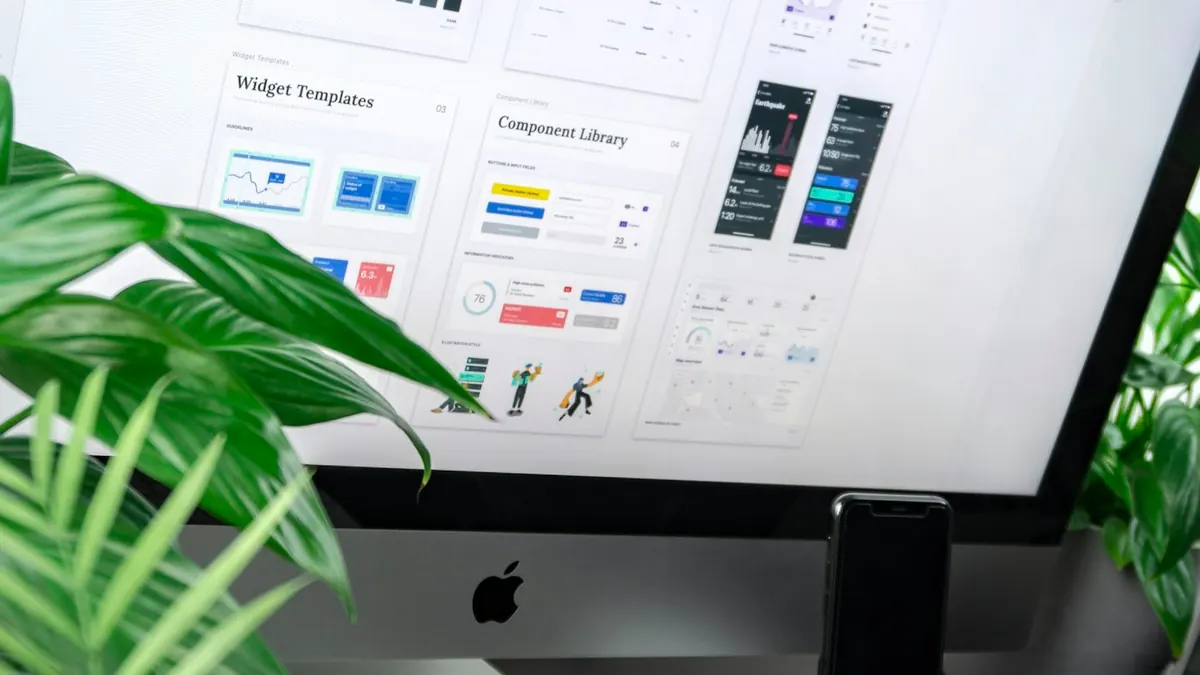 Graphic design
Graphic design for Malaysian businesses is broader than a single logo file. It is the visual language customers recognise across your shopfront, Instagram posts, product labels, staff uniforms, and website headers. When SMBs in Kuala Lumpur, Petaling Jaya, or Shah Alam say they need “design,” they often mean a mix of branding, marketing collateral, and production-ready artwork. Understanding that mix helps you brief designers clearly and avoid paying for the wrong deliverables.
What business graphic design actually includes
At minimum, most local shops need three layers: identity (who you are), campaign (what you are promoting now), and production (files printers and platforms accept).
Identity covers your logo or wordmark, colour palette, typography choices, and how they combine on a business card or signboard. Campaign work is time-bound — Hari Raya promos, grand opening flyers, Ramadan buffet posters, or a new product launch for Shopee. Production is where many projects stall: the wrong file type, missing bleed, or RGB colours that look dull when printed.
Malaysian SMBs often jump straight to campaign graphics before identity is stable. That can work for a pop-up stall, but it creates inconsistency when you add a second branch, hire a franchisee, or hand work to a new designer who cannot find your font files.
Logo and brand identity for local markets
A logo does not need to explain everything your company does. It needs to be legible on a WhatsApp profile photo, readable on a bunting viewed from three metres away, and adaptable for embroidery on a polo shirt.
Before commissioning a mark, write down:
- Your trade name exactly as it should appear (Sdn Bhd line optional for small retail).
- Three adjectives that describe how customers should feel (trusted, youthful, premium, fast).
- Where the logo must work in the next twelve months (signboard, packaging, app icon).
Malaysian audiences are used to bilingual signage. Decide early whether your primary lockup is Malay, English, or dual-line. Changing that after print runs is expensive.
Colour choices should consider both screen and print. A vibrant cyan that pops on Instagram may need a CMYK equivalent for flyers. Ask designers to document Pantone or CMYK values, not only hex codes.
Social and digital graphics
Facebook and Instagram remain central for Malaysian SMB discovery. A graphic system — reusable templates for promos, testimonials, and product features — saves more time than one-off posts.
Standardise:
- Title safe zones so text is not cropped on Stories.
- A small set of background textures or gradients from your palette.
- Icon style for delivery, halal certification callouts, or branch locations.
Design tools change frequently. Whether your team uses Canva, Adobe Express, or Figma, store master templates in a shared folder with naming rules (YYYY-MM_promo_template.psd). Verify licensing for stock photos — especially for food and people imagery.
Packaging, labels, and retail touchpoints
F&B and retail brands in Malaysia face label regulations, barcode placement, and shelf competition. Packaging design is not only aesthetics: net weight, ingredients, manufacturer details, and halal logos (when applicable) must fit without crowding your brand mark.
Work with your designer and printer early on dielines — the flat template of a box or pouch. Revisions after the dieline is approved cost more than sketch-phase changes.
For mall kiosks and night markets, consider how designs read under warm LED light versus daylight. High-contrast type often outperforms delicate scripts on small packaging.
Print versus digital deliverables
Digital graphics are usually RGB. Professional printing expects CMYK PDFs with bleed and embedded or outlined fonts. If you will use the same artwork for both, plan for two export paths from the start.
Ask designers to deliver:
- Print PDF (CMYK, 3–5 mm bleed where required).
- Web PNG or WebP at sensible dimensions.
- Source files if you have an ongoing retainer — confirm ownership in writing.
How Malaysian SMBs typically scope design work
Projects often arrive as a bundle: “logo plus name card plus one flyer.” Break the bundle into phases if budget is tight. Phase one might be wordmark, palette, and name card. Phase two extends to social templates and signage.
Be realistic about revision rounds. Two structured revision cycles on concepts, then a final polish pass, prevents endless WhatsApp tweak chains. Put agreed deliverables in an email or simple scope note — not because you distrust designers, but because memory diverges after two weeks.
Working with designers and printers locally
Klang Valley has no shortage of freelancers, studios, and print shops. Quality varies. Review portfolios for your category — a strong F&B portfolio does not guarantee industrial label experience.
Bring printers into the conversation before final artwork. Some shops prefer Corel-friendly PDF settings; others want specific spot colours for brand consistency on large format bunting.
Common mistakes to avoid
- Approving logos without a one-colour version for stamps or embroidery.
- Letting every staff member pick their own promo fonts.
- Exporting Instagram JPEGs as print files.
- Assuming “high resolution” means print-ready without bleed.
- Treating stock template logos as owned brand assets.
Where to go next
If you are starting from zero, read the brand identity basics guide and the logo design checklist. For social templates, see social media graphics systems. For print handoffs, print-ready files explains bleed and CMYK in plain language.
Graphic design is an investment in recognition. Malaysian customers encounter hundreds of brands weekly at pasar malam stalls, malls, and in feeds. Consistent, well-prepared visuals signal that you will still be around after the promotion ends — and that is often the difference between a trial purchase and a repeat customer.